Cognitive Behavioral Therapy (CBT)

Cognitive Behavioral Therapy (CBT) is a talking therapy which can help people look at the different situations that they find themselves in, and to understand their thoughts, emotions and behaviors. The idea is that our thoughts, emotions, physical symptoms and behavior can all influence one another and therefore help to maintain unhelpful moods such as low mood.

CBT builds a set of skills that enables an individual to be aware of thoughts and emotions; identify how situations, thoughts, and behaviors influence emotions; and improve feelings by changing dysfunctional thoughts and behaviors. The process of CBT skill acquisition is collaborative. Skill acquisition and homework assignments are what set CBT apart from “talk therapies.”
When feeling low or anxious, it is common to have negative automatic thoughts or nats. These are unhelpful thoughts that pop into our minds without any effort. With anxiety, nats are often about overestimating threat and underestimating an individual’s ability to cope, which can maintain any anxiety. Sometimes people find coping mechanisms which help them deal with the situation. This may involve avoiding the situation or doing something differently in order to help control their anxiety. Although this may lower their anxiety in the short term, it can maintain and reinforce it in the long term. Breaking this vicious cycle may cause an increase in anxiety to begin with but ultimately help reduce it.

Cognitive Behavioral Therapy is Scientifically Supported Treatment

People often experience thoughts or feelings that reinforce and compound faulty beliefs. Such beliefs can result in problematic behaviors that can affect numerous areas in life, including academics, family, work and romantic relationships. In order to combat these destructive thoughts and behaviors, a cognitive-behavioral therapist begins by helping the client to identify the problematic beliefs.

When using CBT in therapy my clients are guided to complete exercises to change the way they think, to change the way they behave, and to change the way that they react to their feelings. This process results in emotional wellness.

Anxiety and Depression

What is Cognitive Behavioral Therapy?
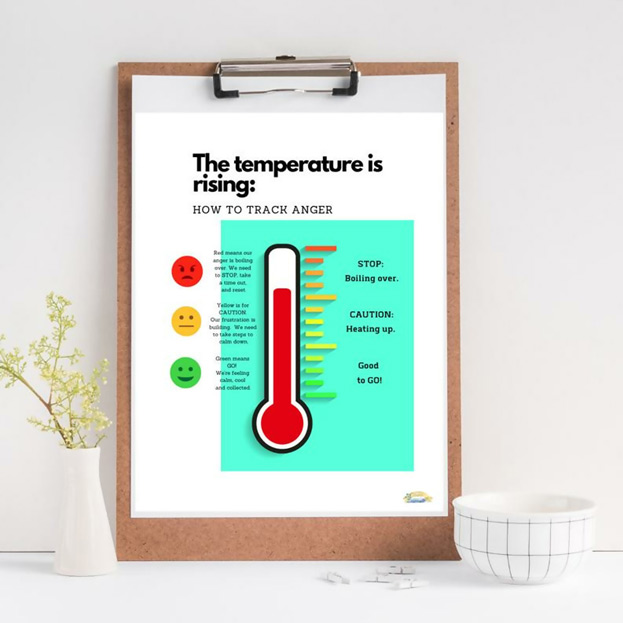
Anxiety is an emotion which usually involves an element of worry and fear. It is a state of mind but can also affect our thoughts, behaviors and physical reactions in our body. Although anxiety can be unpleasant, it is an evolutionary survival mechanism. When we find ourselves in dangerous or stressful situations, anxiety helps us by preparing our body to either run away or fight back. This is known as the “fight versus flight” response. Although anxiety can help us survive, it can start to become a problem when we use the fight versus flight response when there is no need. Anxiety is natural and helpful in dangerous or stressful situations but becomes a problem when we experience anxiety when we are not in a dangerous or stressful situation or long after a dangerous or stressful situation has passed.
Low mood is another emotion which can cause emotional distress. People can often experience several different symptoms that can affect the way that we think, the things that we do, as well as the physical symptoms that we can experience.
This can then impact people further by causing their mood to deteriorate even more. Research has shown that the main causes for low mood can be linked to genetics, biology, early experiences in life, a combination of stressful events or even major life events such as a relationship breakdown, loss of a loved one or any traumatic event. When feeling low, people may find themselves thinking negatively about themselves and thinking that other people do not like them. A common symptom of low mood is that people tend to withdraw from activities or social interaction, as well as having difficulties staying or trying to sleep, as well as eating. People experiencing low mood can also think that life is not worth living or may even think about harming or killing themselves. This can be quite common for people who are experiencing these difficulties.

CBT for Social Anxiety

Social anxiety is a form of anxiety that occurs before, during, or after social events. Parents seeking support for their children, tweens and teens report an extreme amount of time dedicated towards helping their children who worry about what others think of them, which can make encountering other people quite stressful at times. Between 5%-15% of all individuals will suffer with social anxiety during some part of their lifetime. Many people attempt to cover up their anxiety symptoms by focusing on themselves and attempting to hide their feelings from others.

The way that we think affects the way that we feel. In therapy sessions we dedicate a lot of time identifying thoughts and noticing what happens in the body when certain thoughts are around. Not all thoughts generate anxiety.